Mid Century Modern Geometric Patterns: A Comprehensive Guide to 50s and 60s Inspired Design
The resurgence of Mid Century Modern Geometric Patterns in contemporary design is not merely a fleeting trend but a testament to the enduring appeal of structured, balanced aesthetics. These designs, rooted in the architectural and artistic movements of the 1940s through the 1960s, offer a unique blend of organic curves and sharp angles that define an era of optimism and innovation. For homeowners, interior designers, and craft enthusiasts, understanding the nuances of these patterns is essential for making informed decisions about home decor, fabric selection, and wall treatments.
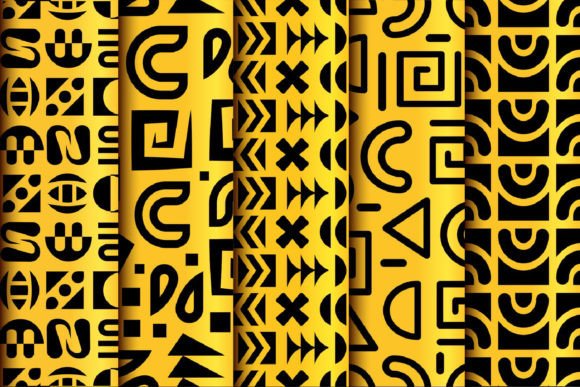
At its core, Mid Century Modern Geometric Patterns are characterized by their clean lines, abstract forms, and a specific color palette that ranges from earthy tones to bold, vibrant hues. Unlike the ornate detailing of Victorian styles or the chaotic minimalism of some modern interpretations, this aesthetic strikes a balance between function and form. The patterns often feature repeating motifs such as atomic stars, boomerangs, sunbursts, and interlocking circles, creating a visual rhythm that feels both retro and timeless.
Distinguishing Features and Visual Language
What sets Mid Century Modern Geometric Patterns apart from other historical design styles is their intentional use of negative space and symmetry. The shapes are rarely random; they are calculated to create a sense of order within a dynamic composition. This mathematical precision was influenced by the post-war fascination with space exploration and nuclear physics, leading to the popularity of "atomic" motifs that resemble starbursts or molecular structures.
When evaluating these designs for a specific application, it is important to note the versatility of the color schemes. While early iterations often relied on muted palettes like mustard yellow, olive green, and teak wood tones, contemporary adaptations frequently introduce brighter variations including coral, turquoise, and deep navy. This flexibility allows the style to adapt to various interior moods, from the warm, cozy atmosphere of a 1950s kitchen to the sleek, sophisticated look of a modern living room.
The texture and scale of the pattern also play a critical role in its execution. High-resolution digital files, often available at 300 dpi and large dimensions like 3777 x 3777 pixels, ensure that these intricate details remain crisp when printed on large surfaces. Whether used for wrapping gifts or covering expansive wall areas, the clarity of the image prevents pixelation, maintaining the elegance intended by the original designers.
Evaluating Applications: Home Decor vs. Functional Use
One of the primary considerations for anyone exploring Mid Century Modern Geometric Patterns is determining the appropriate medium for the design. The same visual asset can serve vastly different purposes depending on how it is applied. Understanding the strengths and limitations of each format helps in selecting the right resource for the project.
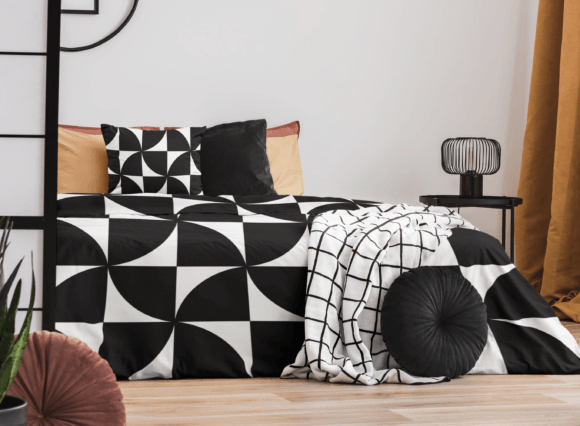
- Fabric Prints: When applied to textiles, these patterns transform upholstery, curtains, and throw pillows into focal points. The geometric nature of the design works particularly well on woven fabrics, where the interplay of light and shadow enhances the depth of the shapes. However, the durability of the print depends heavily on the fabric quality and the printing method used.
- Wall Decor: Using these patterns for wall coverings, whether through wallpaper or direct painting, requires careful consideration of room size. Large-scale geometric prints can make a small room feel cramped if not balanced with adequate negative space, whereas smaller repeats can add texture without overwhelming the senses.
- Gift Wrapping: The aesthetic appeal of these designs makes them ideal for wrapping paper. The high-quality resolution ensures that the intricate details are visible even on smaller gift boxes, adding a layer of sophistication to the presentation. This use case highlights the pattern's ability to elevate simple objects into curated experiences.
In comparing these applications, it becomes clear that while the visual design remains constant, the technical requirements vary. A file optimized for digital display might need downscaling for web use, but for physical production like fabric or wallpaper, the original high-resolution source (such as a 7.76 MB JPG file) is crucial to maintain fidelity.
Comparing Styles: Alternatives and Complementary Approaches
While Mid Century Modern Geometric Patterns hold a distinct place in design history, they are often compared with other mid-century styles or contemporary alternatives. One common comparison is with the Bohemian (Boho) style. Boho design emphasizes eclectic mixing, natural materials, and often features more organic, flowing patterns. In contrast, Mid Century Modern is more rigid and structured. If a homeowner seeks a relaxed, free-spirited vibe, Boho may be the better choice. However, for those desiring a cleaner, more organized look that still retains warmth, the geometric approach offers a superior solution.
Another alternative is Scandinavian Minimalism. Both styles share roots in the mid-20th century and prioritize functionality. However, Scandinavian design typically favors solid colors, subtle textures, and very little pattern, focusing instead on simplicity. Mid Century Modern Geometric Patterns, by definition, embrace complexity and repetition. Choosing between the two depends on the desired level of visual interest. A room designed with strict minimalism might benefit from a single accent wall featuring a geometric pattern, whereas a fully patterned approach would clash with the Scandinavian ethos.
Furthermore, when looking at Art Deco, there are similarities in the use of geometry, but Art Deco is generally more opulent, utilizing metallic finishes, luxury materials, and symmetrical, grandiose forms. Mid Century Modern is more grounded and accessible, often using wood and simpler materials. The decision here relies on the budget and the overall tone of the space. Art Deco commands attention and authority, while Mid Century Modern invites conversation and comfort.
Decision Factors and Tradeoffs
Selecting the right design involves weighing several tradeoffs. The most significant factor is the potential for visual fatigue. Because Mid Century Modern Geometric Patterns rely on repetition, overuse in a single space can become monotonous or visually aggressive. This is a key limitation compared to floral or abstract styles, which offer more variety in every glance. To mitigate this, designers often recommend using these patterns as accents rather than all-over treatments, unless the goal is to create a bold, immersive environment.
Color selection is another critical decision point. While the classic palette of orange, brown, and teal is iconic, deviating too far from these tones can dilute the authentic feel of the style. Conversely, sticking strictly to vintage colors might limit compatibility with modern furniture pieces. The best approach often involves a hybrid strategy, where the geometric pattern provides the historical anchor, while surrounding elements bridge the gap between eras.
Technical constraints also influence the choice. For DIY enthusiasts, the availability of high-quality files is paramount. A low-resolution image will fail to capture the essence of the design, resulting in a blurry, unprofessional appearance. Files that are specifically formatted for print, such as those with 300 dpi resolution and substantial file sizes (e.g., 7.76 MB), are necessary for professional results. Users must evaluate whether they have the resources to access and utilize these high-fidelity assets effectively.
Best-Fit Situations for Mid Century Modern Geometric Patterns
This design style is particularly effective in spaces that require a sense of structure without feeling sterile. It excels in home offices, where the clean lines promote focus and productivity. In dining areas, the patterns can stimulate energy and social interaction, making meals feel more festive. Additionally, for those interested in sustainable design, these patterns are versatile enough to be printed on eco-friendly materials, aligning with modern environmental values while honoring past aesthetics.
However, for individuals seeking a purely traditional or rustic look, this style may feel too industrial or artificial. Similarly, in spaces where a soft, romantic atmosphere is desired, the sharp angles of geometric shapes might feel out of place. In these cases, softer, more fluid patterns would be a more appropriate alternative.
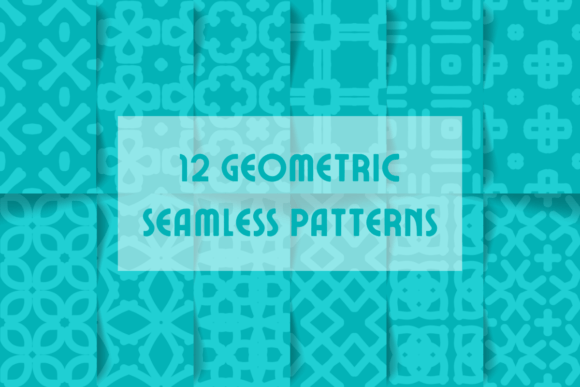
The collection of 12 distinct files mentioned in modern design libraries offers a practical advantage for those looking to experiment. Having multiple variations allows users to mix and match scales and colors, creating custom looks that avoid the generic feel of mass-produced decor. This variety supports a personalized approach to design, ensuring that the final result reflects the unique personality of the space.
Conclusion on Style Selection
The choice to incorporate Mid Century Modern Geometric Patterns into a home or project is a strategic one that balances nostalgia with modern functionality. By understanding the distinct characteristics of these designs and how they compare to other styles, consumers can make educated decisions that enhance their living environments. Whether used for elegant gift wrapping, striking wall decor, or durable fabric prints, these patterns offer a proven way to inject character and style into any setting. The key lies in thoughtful application, respecting the balance between pattern and space to achieve a harmonious and aesthetically pleasing result.